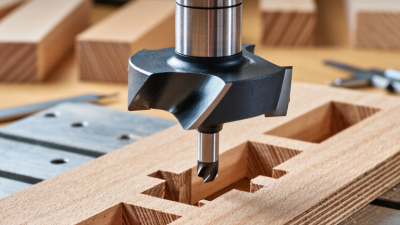
| Solid Carbide, Straight or Spiral Bit |
Two or more carbide cutting edges; spiral versions may use upcut, downcut, or compression geometry. |
Small to medium slabs, trimming, edge cleanup, and occasional flattening on a rigid router sled. |
★★★★☆ |
Good hardness and wear resistance for ordinary hardwoods and softwoods. |
Good; a spiral edge generally leaves a cleaner cut than a basic straight edge. |
Light passes, commonly about 0.5–1.5 mm per pass depending on router power, wood species, and setup rigidity. |
Sharp, widely available, and suitable for detailed work and smaller machines. |
Can chip if it strikes hidden metal, stone, or a hard inclusion. Avoid aggressive passes and inspect reclaimed wood carefully. |
| Carbide-Tipped Spoilboard Cutter |
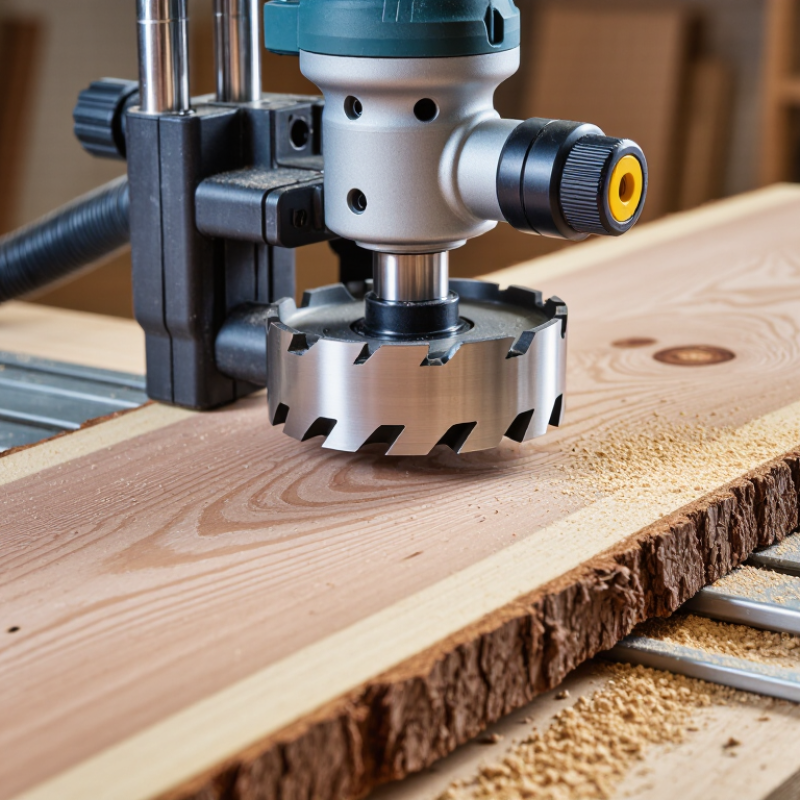
Replaceable or brazed carbide tips with a broad, flat-bottom cutting profile. |
General slab flattening, router sled work, and removing moderate unevenness from wide boards. |
★★★★☆ |
Stable material removal with good resistance to abrasive wood fibers. |
Good to very good when the cutter is sharp and the sled is properly aligned. |
Typically light-to-moderate passes; reduce depth when the slab has severe twist or the router has limited power. |
Balanced choice for routine flattening; the flat bottom helps create a level reference surface. |
Usually slower than a dedicated insert cutter on very wide slabs. Brazed tips may require replacement of the entire bit if damaged. |
| Replaceable Carbide Insert Surfacing Cutter |
Multiple indexed carbide inserts, often with a flat or slightly shear-cut profile. |
Large slabs, repeated flattening work, production use, and projects requiring controlled tool maintenance. |
★★★★★ |
High wear resistance and consistent performance when inserts are sharp and correctly seated. |
Very good; shear-style inserts can reduce visible tear-out compared with flat scraping profiles. |
Use shallow, controlled passes; the appropriate depth depends on cutter diameter, machine power, and slab stability. |
Damaged or dull inserts can be rotated or replaced individually; multiple edges distribute the workload. |
Higher initial cost and greater cutter mass. Check insert screws, balance, and manufacturer-specified speed limits before use. |
| Solid Carbide Spiral Surfacing Cutter |
Continuous helical cutting edges designed to shear fibers progressively. |
Premium visible surfaces, figured wood, cross-grain areas, and slabs where tear-out control matters. |
★★★★☆ |
Efficient shearing action with smoother chip evacuation than many straight-edge profiles. |
Very good to excellent, especially when feed direction and cutting depth are controlled. |
Light passes are preferred; overly deep cuts can overload the router and damage the cutting edge. |
Reduced impact loading, smoother cutting action, and better results on difficult grain patterns. |
More expensive to sharpen or replace. Upcut designs may lift loose fibers, while downcut designs can pack chips into the cut. |
| High-Speed Steel (HSS) Cutter |
Hardened steel cutting edge, usually in a straight or simple profile. |
Light-duty work, softwoods, test cuts, or situations where frequent sharpening is acceptable. |
★★☆☆☆ |
Acceptable in softer wood but loses its edge faster in hardwoods and abrasive materials. |
Fair to good when freshly sharpened. |
Very light passes and moderate feed rates are advisable to limit heat and rapid dulling. |
Can be sharpened relatively easily and may be economical for occasional light work. |
Generally less suitable for large hardwood slabs. Heat, knots, glue, dirt, and hidden grit can quickly reduce edge life. |
| Straight Flute, Flat-Bottom Design |
Parallel cutting edges with a level bottom surface. |
Basic leveling, flattening reference faces, and machines where predictable cutting behavior is more important than maximum finish quality. |
★★★☆☆ |
Reliable material removal, but it can produce more impact and tear-out in reversing grain. |
Good after sanding; visible ridges may remain if the sled alignment or feed overlap is inconsistent. |
Light to moderate passes with steady feed and adequate overlap between tool paths. |
Simple geometry, easy to inspect, and effective for creating a flat reference surface. |
Less efficient chip shearing than spiral or shear designs. Do not use a bit with damaged or uneven cutting edges. |
| Shear-Angle or Spoilboard-Style Design |
Angled cutting edge that slices fibers rather than striking them directly. |
Hardwood slabs, figured grain, finished faces, and applications where reduced tear-out is important. |
★★★★☆ |
Efficient and relatively smooth cutting with lower impact than a blunt flat profile. |
Very good, although final sanding is normally still required. |
Use shallow passes and maintain a consistent feed to preserve the cutting edge and avoid chatter. |
Improves surface quality and can reduce splintering on challenging grain. |
Requires correct installation and rotation direction. The angled profile may be less forgiving if the router sled is not rigid. |
| Upcut Spiral Design |
Helical flutes lift chips upward from the cut. |
Efficient chip evacuation, deeper pockets, and work where clearing chips is a priority. |
★★★★☆ |
Good chip removal and reduced recutting of chips. |
Good, but loose fibers on the top surface may be lifted and torn in some woods. |
Use conservative depth and feed settings; secure the slab firmly because the lifting action can increase workpiece movement. |
Helps keep the cut area clear and can reduce heat caused by trapped chips. |
May worsen top-surface tear-out. It is not the first choice when the visible face has fragile or reversing grain. |
| Downcut Spiral Design |
Helical flutes press chips and fibers downward into the cut. |
Visible top surfaces, fragile edges, and projects where top-side splintering must be minimized. |
★★★★☆ |
Controlled cutting with good top-surface fiber support. |
Very good on the top face when the tool remains sharp and chips are cleared properly. |
Use shallow passes and ensure adequate dust extraction to prevent chip packing. |
Helps hold down surface fibers and can reduce top-edge tear-out. |
Less effective at evacuating chips from deep cuts; excessive feed resistance or heat can occur if chips become trapped. |
| Large-Diameter Surfacing Cutter |
Broad cutting diameter, commonly combined with carbide tips or inserts. |
Wide slabs where fewer passes and efficient coverage are desired. |
★★★★☆ |
High coverage per pass, but it requires a powerful, rigid router and stable sled. |
Good to very good when the cutter is balanced and the machine does not vibrate. |
Keep passes shallow and follow the cutter’s rated operating limits; larger diameter does not automatically permit deeper cuts. |
Reduces the number of overlapping tool paths and can improve workflow on broad surfaces. |
Produces greater cutting torque and may exceed the capacity of compact routers. Confirm collet size, clearance, balance, and maximum RPM. |