Why Choose 410 Stainless Steel Tubing for Your Projects?
Choosing the right material for your projects can be a complex decision. 410 Stainless Steel Tubing stands out for its unique properties. It combines strength, corrosion resistance, and affordability. This alloy is particularly useful in diverse applications, from automotive parts to industrial equipment.
When selecting 410 Stainless Steel Tubing, it's essential to consider specific project needs. While this material offers durability, it may not be suited for high-temperature environments. Understanding the limitations and advantages helps in making informed choices. For instance, while 410 is heat-treatable, improper treatment could lead to unexpected issues.
Ultimately, the choice of 410 Stainless Steel Tubing reflects a balance between performance and cost. By recognizing both its strengths and weaknesses, you can enhance project outcomes effectively. Make sure to weigh your options carefully and consider consulting with experts for optimal results.
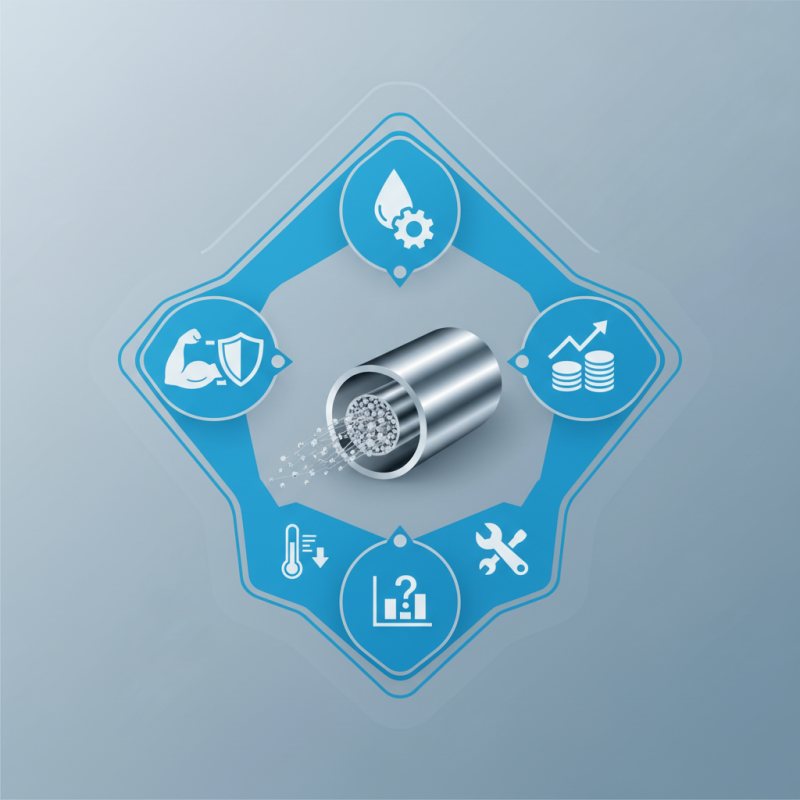
Understanding the Properties of 410 Stainless Steel Tubing
410 stainless steel tubing is increasingly favored for various projects due to its unique properties. Known for its corrosion resistance and high strength, this alloy contains around 12% chromium. This composition allows it to perform well in environments where both durability and resistance to oxidation are important. Industry reports indicate that 410 stainless steel exhibits a yield strength of approximately 500 MPa, making it suitable for demanding applications.
One critical aspect to consider is the tempering and hardening capabilities of 410 stainless steel. After hardening, it achieves a Rockwell hardness of up to 58 HRC. This feature enhances its wear resistance, useful in applications ranging from industrial equipment to automotive parts. However, it is essential to recognize that this hardness can make machining more challenging. Engineers often report that precise cutting tools are necessary to work with 410 effectively.
Tip: Always consider the specific requirements of your application when using 410 stainless steel. Evaluate the balance between strength and machinability to avoid problems during fabrication. Keep in mind that while 410 tubing is versatile, it may require special attention during welding. Check the welding parameters to ensure optimal results.
Applications of 410 Stainless Steel Tubing in Various Industries
410 stainless steel tubing is a versatile material used across various industries. Its unique properties make it ideal for applications where strength and corrosion resistance are critical. This alloy contains about 11.5% chromium, enhancing its durability. It is often utilized in the automotive industry for exhaust systems. These parts resist high temperatures and provide excellent structural integrity.
In the medical field, 410 stainless steel tubing is essential for manufacturing surgical instruments. The ability to withstand sterilization processes is crucial in this context. Its strength allows for precise cutting and manipulation. It’s also popular in the food processing sector, especially for equipment that requires frequent cleaning. Food safety is a priority, so the tubing's resistance to corrosion is non-negotiable.
However, it's important to reconsider the suitability of 410 stainless steel for specific applications. While it is robust, it may not be the best choice for environments with extreme corrosive elements. Beyond its popularity, manufacturers should evaluate the specific needs of their projects. Testing and validation can reveal unexpected limitations, sparking a conversation about the best materials for the job.
Advantages of Using 410 Stainless Steel Tubing Over Other Materials
When choosing materials for projects, 410 stainless steel tubing stands out for several reasons. This alloy offers superb corrosion resistance, making it suitable for harsh environments. Its ability to withstand oxidation is impressive, especially in high-temperature applications. Many industries utilize this tubing where durability is essential.
410 stainless steel is also known for its remarkable strength and hardness. It can endure significant stress compared to other materials, delivering reliability over time. However, it is crucial to consider its potential brittleness, especially in large components. Proper treatment during fabrication can enhance its toughness significantly.
Additionally, ease of fabrication allows for versatile designs, though the difficulty in welding could pose a challenge for some projects.
Key Considerations When Choosing 410 Stainless Steel Tubing for Projects
When selecting 410 stainless steel tubing, several factors come into play. The alloy's composition is crucial. It contains chromium, which enhances corrosion resistance. This feature is vital for projects in various environments, especially those prone to moisture. However, it’s important to remember that 410 can still corrode under certain conditions. Regular maintenance may be necessary.
Another key consideration is the tubing's mechanical properties. 410 offers good strength, making it suitable for structural applications. However, it can be less ductile than other stainless steel grades. This means it may not perform well under extreme bending or twisting forces. Engineers should pay attention to design specifications. Overestimating 410's capabilities could lead to failures.
Welding is another aspect to consider. 410 stainless steel can be challenging to weld. It may require preheat and post-weld heat treatment to prevent cracking. Evaluating the welding process is essential. Understanding the limitations of 410 stainless steel in various applications ensures better outcomes. Each project should be examined individually for optimal results.
Maintenance and Durability of 410 Stainless Steel Tubing in Use
410 stainless steel tubing is renowned for its exceptional durability and low maintenance requirements. This alloy combines chromium and nickel, providing significant resistance to corrosion. Reports from the American Society for Testing and Materials (ASTM) indicate that 410 stainless steel maintains strength in temperatures up to 1200°F. This makes it suitable for various industrial applications, including construction and automotive sectors.
When using 410 stainless steel tubing, users often appreciate its easy cleaning. A simple mixture of water and mild soap effectively removes contaminants. Nevertheless, some users report challenges with scratches and surface imperfections over time. Regular inspections help identify areas needing reinforcement.
Tips: Always check for signs of wear. Use non-abrasive cleaning materials. Consider surface coatings for added protection. The low maintenance aspect of 410 stainless steel doesn’t mean it is impervious to damage. Understanding its limitations is essential for long-term application success.
Why Choose 410 Stainless Steel Tubing for Your Projects? - Maintenance and Durability of 410 Stainless Steel Tubing in Use
| Property | Description | Advantage | Application |
| Corrosion Resistance | Resistant to rust and oxidation | Longer service life in harsh environments | Food processing, marine applications |
| Strength | High tensile strength | Durability and reduced risk of failure | Construction, automotive parts |
| Heat Treatment | Can be hardened through heat treatment | Customizable strength properties | Manufacturing, tools |
| Weldability | Can be welded with proper technique | Versatile for various projects | Structural applications |
| Cost-Effectiveness | Generally lower cost compared to other stainless steels | Affordable for bulk projects | Piping, tubing |