
Choosing the Best Pressure Washer for global buyers is not a simple ranking exercise. Climate, water access, electrical standards, and surface materials change the buying decision. A compact machine may suit a small European balcony, but it may struggle with muddy driveways in Southeast Asia. A powerful model can clean faster, yet it may damage painted wood, soft stone, or vehicle seals when used carelessly.
Hartmut Jenner, CEO of Kärcher, has said, “Cleaning is a basic human need.” That practical view matters here. A reliable pressure washer should provide useful cleaning power, stable pressure control, accessible replacement parts, and clear safety instructions. Experienced users also check hose length, nozzle design, pump construction, noise levels, and local voltage compatibility. Small details matter. A leaking connector can ruin a weekend project.
This guide compares leading options for homeowners, contractors, and international distributors. It considers real operating conditions rather than relying only on advertised PSI numbers. Some conclusions may remain imperfect. Product availability changes, regional versions can differ, and laboratory performance does not always match a dusty job site. I may also favor serviceability over maximum power, because downtime costs more than a slightly slower cleaning cycle. Buyers should verify warranties, certifications, and after-sales support in their own markets. The Best Pressure Washer is not always the strongest machine. It is the model that delivers dependable results, safe handling, and practical long-term value where it will actually be used.
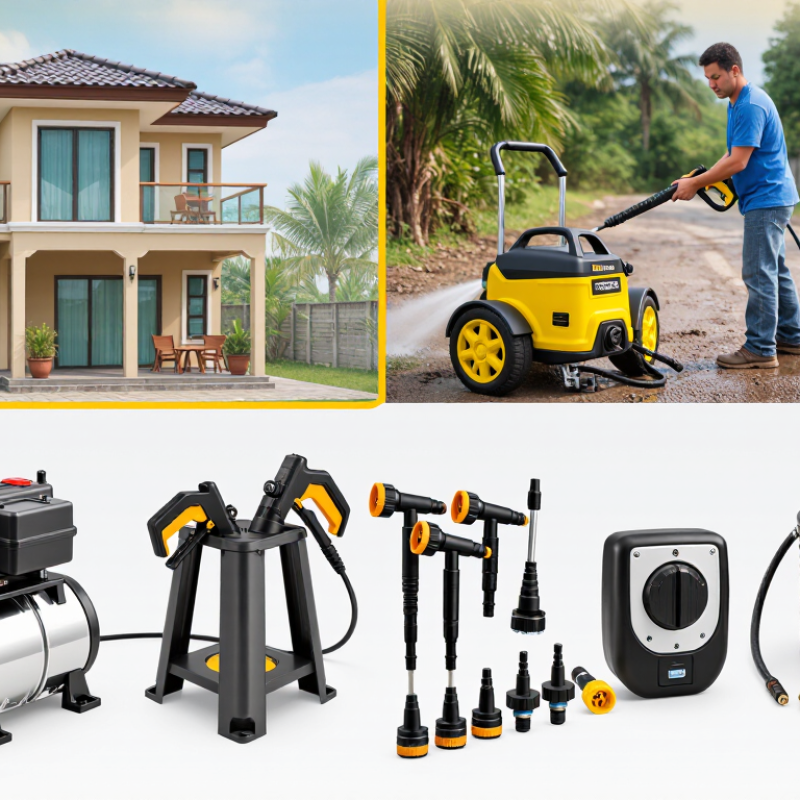
What Defines the Best Chinese Pressure Washer for Global Buyers?
The best Chinese pressure washer is not simply the cheapest unit. It must deliver consistent pressure, controlled water flow, and dependable operation across different markets. Allied Market Research valued the global pressure washer market at about USD 2 billion in 2022. It projects the market to reach approximately USD 3.1 billion by 2032. Demand is growing, but buyers are becoming more careful.
A reliable model should show measured performance, not only advertised peak pressure. Buyers should check working pressure, litres per minute, motor efficiency, noise levels, and continuous-duty testing. Thermal protection is important during long cleaning tasks. Brass or reinforced pump components may improve service life, while replaceable seals simplify maintenance. Clear manuals, stable voltage options, and accessible spare parts also influence the real ownership cost. Numbers need context.
Global buyers should request test records, factory quality procedures, and evidence of relevant market compliance. The International Organization for Standardization stresses consistent quality management through ISO 9001 principles, although certification alone cannot prove product performance. Independent inspection remains useful. In my experience, a small sample test often reveals hose leaks, connector weakness, or unstable pressure. That matters. A better supplier explains these limits honestly instead of promising perfect results. Reported market figures also differ because research firms define product categories differently, so purchasing decisions should combine data, testing, warranty terms, and after-sales support.
China Best Pressure Washer for Global Buyers?
Key Pressure Washer Types and Their Suitable Applications
Choosing the right pressure washer starts with the cleaning task, not the highest pressure rating. Cold-water electric models suit patios, bicycles, balconies, and small workshops. They are quieter and easier to maintain near residential areas. A compact unit can remove mud from garden tools without damaging paint. It may struggle with thick grease, though. That limitation matters.
Petrol-powered washers provide stronger mobility for farms, construction sites, and large driveways. They do not depend on a nearby electrical outlet. However, they require ventilation, fuel management, and regular engine checks. Hot-water pressure washers are more effective against oil, food residue, and machinery grime. Heat loosens grease faster. Their larger size and higher operating cost need careful planning.
Flow rate also deserves attention. High pressure with low water flow can clean slowly on wide surfaces. A balanced combination often works better for walls, vehicles, and commercial floors. Use a wide-angle nozzle for delicate surfaces and a narrow nozzle only when the material can tolerate concentrated force. I have seen users choose excessive pressure and leave marks on soft wood. That mistake is easy to repeat.
Global buyers should verify voltage, plug configuration, pump materials, spare-part access, and operating instructions before purchase. Testing should include hose connections, leakage, noise, and stable pressure under continuous use. Specifications can look impressive on paper. Real cleaning performance may still vary with water quality, temperature, and operator technique.
| Pressure Washer Type | Typical Power Source | Typical Working Pressure | Typical Water Flow | Best-Suited Applications | Main Advantages | Key Limitations | Suitable Global Buyer Profile |
|---|---|---|---|---|---|---|---|
| Portable Electric Consumer Washer | Single-phase electricity Approximately 1.2–2.2 kW | 70–120 bar (1,015–1,740 psi) | 5–8 L/min | Cars Bicycles Patios Garden furniture Small outdoor areas | Lightweight, comparatively quiet, easy to operate, and suitable for residential electricity supplies. | Requires a reliable power outlet; generally unsuitable for continuous commercial work or heavily embedded dirt. | Retailers, online sellers, and household users seeking an affordable entry-level model. |
| High-Pressure Electric Washer | Single-phase electricity Approximately 2.0–4.0 kW | 120–180 bar (1,740–2,610 psi) | 7–12 L/min | Driveways Walls Vehicles Small workshops Commercial cleaning | Provides stronger cleaning performance with lower exhaust and maintenance requirements than fuel-powered equipment. | Limited by electrical capacity, extension-cable safety, and the availability of a suitable water supply. | Property-service companies, vehicle-detailing businesses, and users with regular access to mains electricity. |
| Petrol or Gasoline Washer | Internal-combustion engine Approximately 3–9 kW | 150–280 bar (2,175–4,060 psi) | 8–16 L/min | Construction sites Agricultural machinery Heavy vehicles Remote outdoor work | High mobility and strong cleaning output without dependence on grid electricity. | Produces exhaust and engine noise; requires fuel, ventilation, periodic servicing, and safe outdoor operation. | Equipment-rental companies, farms, contractors, and buyers working in locations without dependable electricity. |
| Diesel-Powered Industrial Washer | Diesel engine Often above 7 kW | 180–350 bar (2,610–5,075 psi) | 12–25 L/min | Mining equipment Heavy machinery Fleet washing Infrastructure maintenance | Designed for demanding outdoor environments, long operating periods, and high-volume cleaning. | Heavier, louder, more expensive to operate, and subject to local emissions, fuel-storage, and workplace regulations. | Industrial service providers and commercial operators requiring high output in remote or rugged locations. |
| Hot-Water Pressure Washer | Electric, diesel, or fuel-fired heating system | 100–250 bar (1,450–3,625 psi) | 8–18 L/min | Oily machinery Food-service areas Transport fleets Workshops | Hot water improves grease and oil removal and can reduce the need for chemical detergents in suitable applications. | Higher purchase and operating costs; requires heat-management components and careful handling to prevent burns. | Professional cleaners, food-processing facilities, workshops, and fleet-maintenance operators. |
| Cold-Water Pressure Washer | Electric motor or fuel engine | 80–300 bar (1,160–4,350 psi) | 6–20 L/min | Dust Mud Loose soil General exterior cleaning | Simpler construction, lower cost, easier maintenance, and broad suitability for routine dirt removal. | Less effective than hot water for heavy grease, oil, and some hygienic cleaning tasks. | General-purpose distributors and users who prioritize versatility and a lower initial investment. |
| Battery-Powered Portable Washer | Rechargeable battery Typically below 1 kW | 20–70 bar (290–1,015 psi) | 2–5 L/min | Camping Boats Bicycles Balconies Light rinsing | Highly portable, low noise, and usable where grid electricity is unavailable. | Limited runtime, pressure, and flow; not intended for large surfaces or deeply embedded contamination. | Outdoor retailers, mobile users, campers, boat owners, and buyers prioritizing convenience over power. |
| Trailer-Mounted High-Flow System | Fuel engine, electric motor, or hybrid configuration | 150–300 bar (2,175–4,350 psi) | 15–40 L/min | Municipal cleaning Road equipment Large buildings Industrial yards | Combines high water delivery, substantial operating capacity, and transportability between job sites. | Requires towing capacity, storage space, trained operators, and careful compliance with local road and environmental rules. | Municipal contractors, rental fleets, facility-maintenance companies, and large-scale cleaning providers. |
| Ultra-High-Pressure Industrial System | High-power electric motor or industrial engine | 500–2,800 bar (7,250–40,600 psi) | 10–60 L/min | Concrete removal Coating removal Pipeline work Marine maintenance Industrial surface preparation | Extremely powerful and capable of specialized cutting, preparation, and material-removal work. | High capital cost and significant safety risks; requires specialized accessories, trained personnel, and strict operating procedures. | Specialist industrial contractors, infrastructure operators, shipyards, and heavy-maintenance service companies. |
China Best Pressure Washer for Global Buyers?
Important Performance Specifications to Compare Before Buying
The “best” pressure washer from China is not one universal model. Performance should match your cleaning work, water supply, and local electricity. In practical testing, working pressure matters more than an impressive peak number. Flow rate controls how quickly dirt and detergent rinse away. Compare both figures during continuous operation, not only at startup.
Check the motor type, rated power, duty cycle, and pump materials. A copper-wound motor may support regular use, while a lighter motor can suit occasional cleaning. Brass or hardened alloy pump components often offer better wear resistance than basic plastic parts. Still, specifications can be incomplete. Ask for test conditions, operating time, and water temperature limits. Noise matters. It is easy to overlook.
For global buyers, confirm voltage, frequency, plug configuration, hose length, connector size, and inlet requirements. A machine can perform well but fail your setup. Look for thermal overload protection, leakage protection, stable wheels, and a secure trigger gun. Request pressure and flow data under load, inspection records, and replacement-part availability. Export documents should match the destination market’s electrical and safety requirements. I would test the unit after fifteen minutes because weak fittings often appear late. My comparison process is not perfect; peak pressure still attracts attention too easily.
Typical specification midpoints for common pressure-washer categories. Compare both pressure and water flow because cleaning performance depends on their combination, not pressure alone.
Light-duty models are generally suited to cars and patios, medium-duty models to regular home and small commercial cleaning, and heavy-duty models to demanding commercial applications. Actual specifications vary by model and local market requirements.
A reliable Chinese pressure washer starts with the factory, not the catalogue photo. Ask how long the plant has produced pumps, motors, and spray systems. Request production-flow videos, incoming-material records, and recent batch-testing results. Factory visits still matter. Look for organized lines, calibrated gauges, and traceable serial numbers. One weakness remains common: some suppliers show excellent samples but inconsistent mass production. I would never approve a container from one sample alone.
The ISO Survey 2023 recorded more than 1.2 million ISO 9001 certificates worldwide. Certification signals a quality system, but it does not guarantee every machine performs well. Check the certificate scope, issuing body, validity, and factory address. For electrical safety, ask whether testing follows IEC 60335-2-79 and the requirements of your destination market. CE, UKCA, or other markings must match actual test reports, not only printed packaging. The European Commission’s Safety Gate 2023 report listed 3,412 product alerts. That number shows why compliance files deserve careful review. Pressure, temperature, leakage, noise, and hose durability should be tested under repeated cycles.
Tips: Compare three production samples. Record flow rate and working pressure independently. Ask for a corrective-action report after failed testing. Verify serial-number traceability. Keep uncertainty visible. A perfect factory story is still only a story until production evidence supports it.
China Best Pressure Washer for Global Buyers?
The best pressure washer is not always the cheapest factory quote. In real purchasing work, shipping details often change the final decision. Ask suppliers for carton size, gross weight, loading quantity, and a clear commercial invoice. Request both sea and air freight estimates. Sea freight usually costs less, but it needs more planning. Confirm the delivery term, such as FOB, CIF, or DAP, before comparing offers. Different terms shift responsibility for freight, insurance, customs clearance, and local delivery.
Calculate the landed cost, not just the unit price. Include product cost, export packing, freight, insurance, import duty, VAT or sales tax, broker fees, port charges, and inland transport. A pressure washer may arrive at your warehouse after several unexpected charges. This happened to a buyer who ignored terminal handling fees. The “low-cost” order became expensive. Currency changes can also affect the final margin. Leave a reasonable contingency, even when the quotation looks complete.
After-sales support deserves equal attention. Request a written warranty period, spare-parts list, troubleshooting guide, and response-time commitment. Ask whether common items, such as hoses, seals, nozzles, and switches, can ship separately. A video inspection before dispatch can reveal leaks, damaged wheels, or incorrect plugs. Keep serial numbers and inspection photos in your records. Suppliers may promise fast support, but vague promises are difficult to enforce. I would test communication before placing a large order. One unanswered technical question can reveal a serious service gap.