How to Choose the Best Diamond Core Drill Bit in 2026?

Choosing the best Diamond Core Drill Bit in 2026 requires more than comparing prices or counting diamond segments. The right choice depends on concrete strength, aggregate hardness, drilling depth, machine power, cooling method, and required hole quality. A bit designed for reinforced concrete may cut slowly in soft limestone. A bit made for abrasive masonry may wear too quickly in dense granite.

Dr. John M. Spoor, a respected diamond-tool engineer and industry pioneer, once stated, “The diamond tool must match the material, not merely the machine.” That principle remains practical on today’s job sites. Before ordering, inspect the material closely. Look for exposed rebar, wet or dry conditions, restricted access, and the expected number of holes. A 100-millimeter bit used for chilled, water-fed drilling needs different performance from a small bit used overhead.

Small details matter.

This guide will compare diamond grades, bond hardness, segment design, cooling systems, shank compatibility, and drilling speed. It will also explain how to read manufacturer specifications without trusting every impressive claim. In practice, the “fastest” Diamond Core Drill Bit may produce rough edges or excessive heat. That is an easy mistake to make. I have also seen users select a harder bond for longer life, only to reduce cutting speed dramatically in hard concrete.

The best decision balances penetration, durability, safety, and total cost per hole. Careful testing remains essential, because site conditions can challenge even a well-designed recommendation.
How to Choose the Best Diamond Core Drill Bit in 2026?

What a Diamond Core Drill Bit Is and How It Works

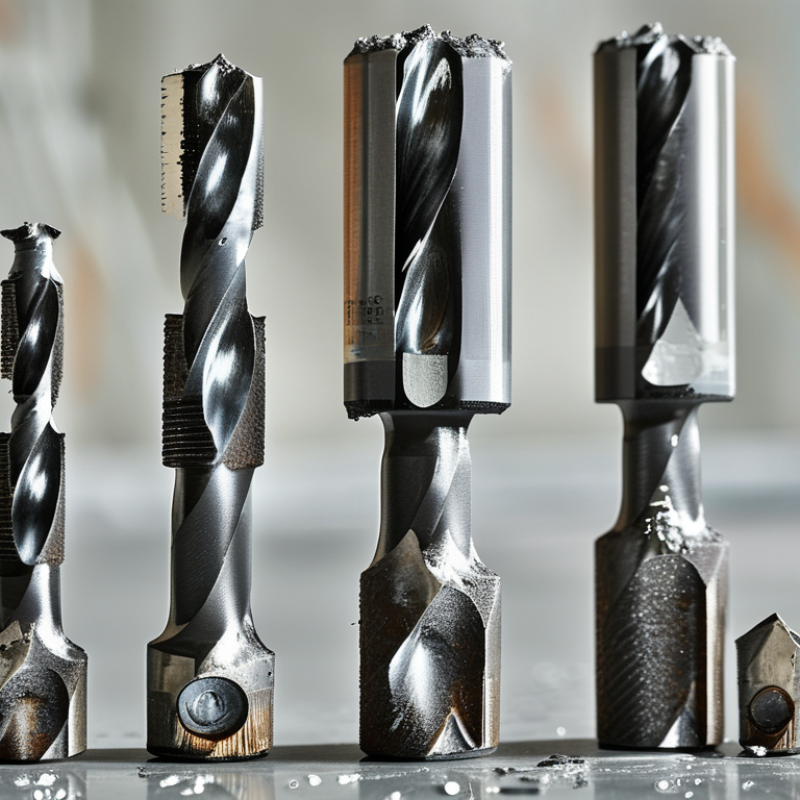
A diamond core drill bit is a hollow cutting tool for making clean, circular holes in concrete, masonry, stone, and similar materials. A steel tube supports the bit body. Diamond segments are fixed around its cutting edge. These segments grind the material into fine particles instead of slicing it like a conventional twist drill. The center remains solid, producing a cylindrical core that can reveal concrete quality or reinforcement placement.

During drilling, the exposed diamonds wear the surface while the bond gradually releases dull particles. Fresh diamonds then appear. Water usually cools the segments, controls dust, and carries debris from the hole. Keep the bit aligned. Excessive pressure can overload the motor or polish the segments. Let it work.

Dry drilling may suit selected materials and tools, but it needs effective dust extraction and careful temperature control.

Choosing the best bit in 2026 still depends on material, diameter, depth, machine speed, and wet or dry operation. Softer bonds often suit hard materials, while harder bonds can last longer in abrasive masonry. That assumption can fail. Concrete mix, aggregate hardness, steel reinforcement, and operator technique also change performance. I check the removed core, segment wear, vibration, and drilling speed during real work. A bit that cuts quickly may wear too soon. A slower bit may provide better control and lower operating cost. Manufacturer data helps, but field evidence remains essential.

How to Match the Bit to Concrete, Masonry, or Other Materials

Choosing a diamond core drill bit begins with the material, not the machine. In field work, I first inspect the surface, aggregate, joints, and reinforcement. Concrete changes as it cures and as its aggregate becomes harder. For cured, reinforced concrete, choose a bit with a durable diamond segment and a stable steel barrel. Steady pressure matters. Excessive force can glaze the segments or overheat the core. I have made that mistake.

Brick and block masonry need a different approach. Softer brick can fracture under aggressive drilling. A bit designed for concrete may cut, but it may also leave a rough, oversized hole. For large openings, select a segment suited to abrasive masonry and keep the feed pressure moderate. Check the wall for voids, mortar joints, and hidden services before starting. A short test hole often reveals more than a product description.

Stone, tile, and asphalt each demand closer matching. Porcelain tile usually benefits from a fine diamond matrix and controlled speed. Natural stone varies widely, so test an inconspicuous area first. Water can cool the bit and reduce dust during compatible wet drilling. It also creates messy slurry. Dry drilling may suit some masonry, but heat must be watched carefully. Read the bit’s technical data, then compare it with the material’s hardness and thickness. My estimates are not always right; real surface conditions can change the choice within minutes.

How to Select the Right Diameter, Length, and Diamond Grade

How to Choose the Best Diamond Core Drill Bit in 2026?

Selecting the correct diameter is the first practical decision. Match the bit to the required hole size, not the drill’s maximum capacity. A 52 mm bit will not create a 60 mm opening. For reinforced concrete, allow slight clearance for dust, slurry, and uneven edges. I usually check the wall thickness before choosing length. A bit should extend beyond the material, but excessive length can increase vibration. For a 150 mm wall, a 200 mm working length often provides safer control.

Diamond grade matters because materials wear tools differently. Hard, dense concrete usually benefits from a softer bond, which exposes fresh diamonds faster. Abrasive brick or block may need a harder bond to slow segment loss. Higher diamond concentration is not automatically better. It can improve life, but it may reduce cutting speed when the bond is poorly matched. That detail is easy to overlook. I have made that mistake before.

Tips: Measure the actual material, including plaster or tile layers. Keep the bit aligned during entry, especially with larger diameters. Use water when the bit and equipment permit it. Watch the cutting sound; a sharp, steady grind is usually healthier than harsh vibration. Replace a damaged bit early. A cheap-looking edge can still cause expensive rework. Test on a small section when the concrete mix is unknown.

How to Choose the Best Diamond Core Drill Bit in 2026? - How to Select the Right Diameter, Length, and Diamond Grade

Selection Factor Recommended Specification Typical Application Reason for Selection
Diameter: 20–40 mm
(0.8–1.6 in)
Thin-wall core bit; wet drilling is normally preferred for concrete. Small anchors, cable passages, plumbing holes, and test samples. Provides fast cutting with low material removal and relatively low motor load.
Diameter: 41–80 mm
(1.6–3.1 in)
General-purpose diamond core bit with a medium-strength bond. Electrical conduits, water pipes, ventilation lines, and chemical anchors. A practical range for common renovation and installation work.
Diameter: 81–150 mm
(3.2–5.9 in)
Segmented wet core bit; use a rigid stand for improved alignment. Larger pipe penetrations, drainage lines, HVAC openings, and structural testing. The larger cutting area requires better cooling, torque control, and machine stability.
Diameter: 151–250 mm
(5.9–9.8 in)
Heavy-duty segmented bit with a reinforced barrel and drill stand. Large ducts, utility sleeves, structural openings, and deep reinforced concrete. Reduces vibration and helps maintain a straight hole under high cutting loads.
Diameter: 251–400 mm
(9.9–15.7 in)
Large-diameter wet core system with a robust drive, stand, and water-management setup. Major HVAC penetrations, bridge work, foundations, and utility infrastructure. High torque, accurate guidance, and continuous cooling are essential at this size.
Standard Length Working length around 300 mm (11.8 in). Most wall penetrations and shallow-to-medium concrete drilling. Offers a useful balance between drilling depth, rigidity, and tool control.
Long Length Working length around 450–600 mm (17.7–23.6 in), subject to machine capacity. Thick foundations, bridge components, deep walls, and staged drilling. Allows deeper holes, but requires stronger guidance to prevent barrel deflection.
Extension Sections Use compatible extensions only when the arbor and connection system are rated for them. Very deep holes and multi-stage drilling through thick structural members. Provides additional depth while avoiding an excessively long and flexible barrel.
Diamond Grade: Standard General industrial diamond suitable for normal concrete and masonry. Concrete with moderate aggregate hardness and limited steel reinforcement. Provides a balanced relationship between cutting speed, segment life, and cost.
Diamond Grade: High-Performance Higher-quality, more consistent diamond crystals with a bond matched to reinforced concrete. Dense reinforced concrete, hard aggregate, and frequent professional drilling. Maintains cutting efficiency when steel and abrasive aggregate generate high wear.
Diamond Grade: Premium Highly consistent diamond distribution and a specifically engineered metal bond. High-volume drilling, very hard aggregate, thick rebar, and demanding structural projects. Improves consistency and productivity where downtime and segment replacement are costly.
Bond for Soft or Abrasive Material Harder metal bond to slow diamond exposure and resist rapid segment wear. Soft concrete, brick, block, sandstone, and highly abrasive aggregate. Extends segment life by preventing diamonds from releasing too quickly.
Bond for Hard Material Softer or faster-releasing metal bond to expose fresh diamond particles. Hard aggregate, granite-containing concrete, and dense engineering materials. Reduces glazing and helps the bit continue cutting instead of polishing the surface.
Wet or Dry Drilling Wet drilling for concrete and reinforced concrete; dry drilling for selected masonry and dust-controlled applications. Water-cooled structural drilling or dry drilling where water cannot be used. Water cools segments and flushes slurry; dry drilling simplifies work but increases dust and heat.
Segment Height Approximately 8–12 mm for general construction work; larger segments may be used for extended life. Routine concrete drilling and higher-volume professional use. Higher segments can provide more usable diamond, but require a suitable bond and machine setup.
Machine and Arbor Match Confirm arbor thread, connection type, maximum diameter, rated speed, torque, and mounting method. Handheld drilling for small diameters; stand-mounted drilling for large or deep holes. Correct compatibility improves safety, alignment, cooling, and overall bit performance.

Note: Actual performance depends on aggregate hardness, reinforcement density, concrete age, drilling method, water flow, machine power, and the manufacturer’s recommended operating speed.

How Drilling Equipment and Project Conditions Affect Bit Choice

How to Choose the Best Diamond Core Drill Bit in 2026?

The drilling equipment and project conditions should guide your bit choice, not habit. A lightweight handheld drill needs a different bit from a rigid, water-cooled rig. Check the machine’s power, spindle speed, connection, and maximum diameter before ordering. A mismatch can cause vibration, slow cutting, or premature segment loss.

Material conditions matter just as much. Soft concrete may need a harder diamond matrix, while dense granite often cuts better with a softer matrix. Reinforcing steel can increase heat and wear, especially during deep drilling. Wet drilling usually improves cooling and dust control, but dry drilling may suit restricted indoor areas. I have found that access, drilling angle, hole depth, and water supply often matter more than the advertised cutting speed. That is easy to overlook. A theoretical choice may fail on site.

Tips: Inspect the aggregate before drilling. Ask whether the concrete contains heavy reinforcement. Match the bit diameter and depth to the rig’s rated capacity. Use steady feed pressure rather than forcing the bit. If cutting becomes noisy or produces fine dust, stop and check cooling, alignment, and segment exposure. Record the results after each hole; small notes can reveal which matrix performs best. Do not assume the first successful hole proves the bit is ideal. Conditions can change within the same slab.

How to Choose the Best Diamond Core Drill Bit in 2026?

How drilling equipment and project conditions affect bit choice

The chart uses a practical 1–5 selection score, where 5 indicates the strongest match for the listed material and drilling condition. Wet drilling is generally preferred for reinforced concrete and deep holes because it improves cooling and dust control, while dry drilling is often more suitable for shallow holes, masonry, and locations without water access. Final bit selection should also consider diameter, drilling depth, reinforcement density, equipment power, and required drilling speed.

How to Compare Bit Quality, Cost, Safety, and Service Life

Choosing the best diamond core drill bit in 2026 requires more than comparing prices. Bit quality affects cutting speed, accuracy, vibration, and operator fatigue. Inspect the diamond segments, bonding material, barrel strength, and connection type. Even segment spacing usually indicates better cooling and smoother drilling.

Cost should be measured against service life, not purchase price. A cheaper bit may cut well for a short period, then lose its segments quickly. I once selected a low-cost option for a small concrete job. It looked economical, but the slow cutting speed consumed more labor and water. That choice needed more thought.

Safety remains part of quality. Match the bit to the material, drill speed, machine power, and wet or dry method. Check the bit for cracks before every use. Use suitable eye, hearing, hand, and respiratory protection. Keep water flow steady during wet drilling, but avoid electrical contact with pooled water. Follow the equipment maker’s instructions and applicable workplace requirements.

Service life depends on operating habits. Excessive pressure can overheat the segments and damage the core barrel. Let the diamonds cut instead of forcing them. Record hole count, material, drilling time, and visible wear. These simple notes make future comparisons more reliable. Some jobs still reveal an uncomfortable truth: the “best” bit may change with concrete hardness, reinforcement, access, and operator technique.